
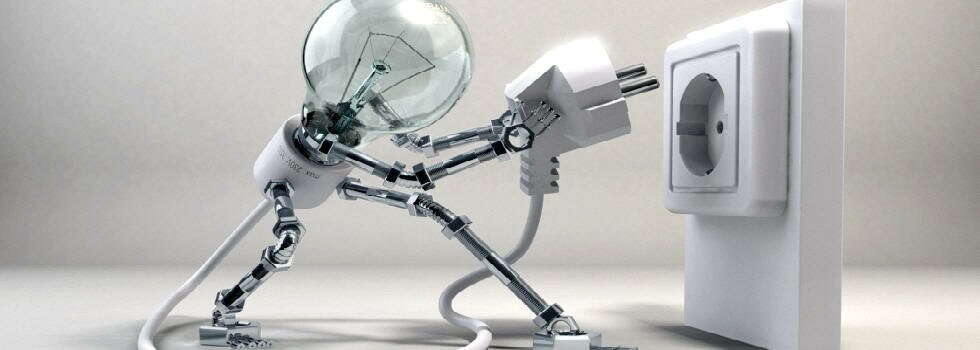
Electricity

Electricity is all around us. We have electric lights, electric clocks, we have mobilephones, calculators, television, V-recorders, CD-players, MP3-players, radio, computers. Light it self is an electromagnetic phenomenon, as radio waves are. The colors of the ribbon on the blue sky are they because of electricity.
Walter Lewin
Technology Defined

Webster’s dictionary defines technology as “the practical application of knowledge especially in a particular area” and “a manner of accomplishing a task, especially using technical processes or methods”. The etymology of both words, technology and technical, is the Greek word techne meaning art or skill, maybe even craftsmanship.

Buchholz relay on oil transformer with conservator
 The Buchholz relay has two oil-filled chambers with floats and relays arranged vertically one over the other. If high eddy currents, local overheating, or partial discharges occur within the tank, bubbles of resultant gas rise to the top of the tank. These rise through the pipe between the tank and the conservator. As gas bubbles migrate along the pipe, they enter the Buchholz relay and rise into the top chamber.
Read more: Buchholz relay on oil transformer with conservator
History of Electric Christmas Tree Lights
Like so many things electrical, the history of electric Christmas lights begins with Thomas Edison. During the Christmas season of 1880, Edison, who had invented the incandescent bulb the previous year, hung strings of electric lights outside his laboratory in Menlo Park, New Jersey.
Amplifier Classes
 Not all amplifiers are the same and there is a clear distinction made between the way their output stages are configured and operate. The main operating characteristics of an ideal amplifier are linearity, signal gain, efficiency and power output but in real world amplifiers there is always a trade off between these different characteristics.
The basics of synchronous machines
 Synchronous machines can be used as generators or motors. They are of 3-phase construction, even though some special exceptions can be found. A bulk of the applications are within power ranges roughly varying from a megawatt level to several tenths (or even hundreds) of megawatts with rated voltages from 3 kV to 15 kV.